
Understand the warmth.
Get to know your heating system, explore common problems and find information about your boiler’s fault code.
Prefer an engineer’s help?Get heating help
WELCOME TO EPHG
Expert help when something goes wrong. Clear information when you want to understand more.
EXPLORE YOUR HOME
Choose a drawing to explore your home’s supplies and systems.
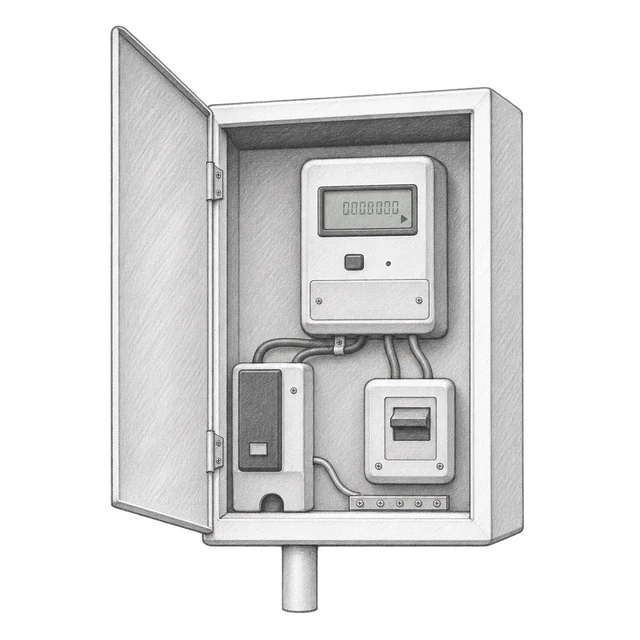 ElectricalExplore your electricity →
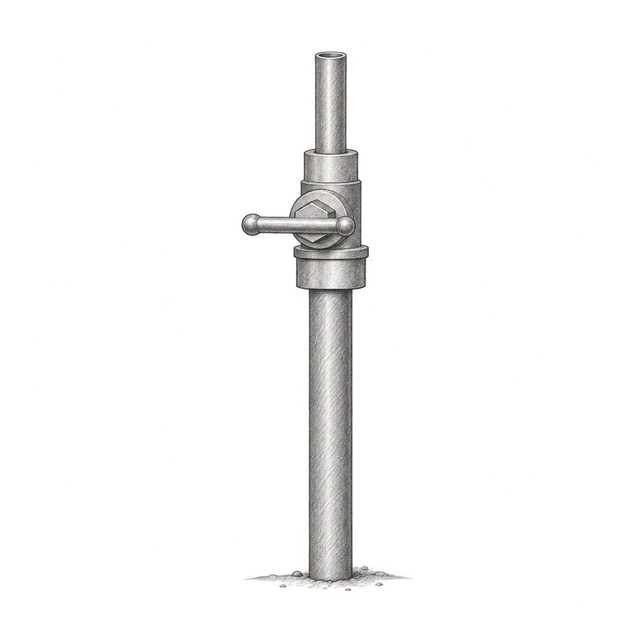 PlumbingExplore your water →
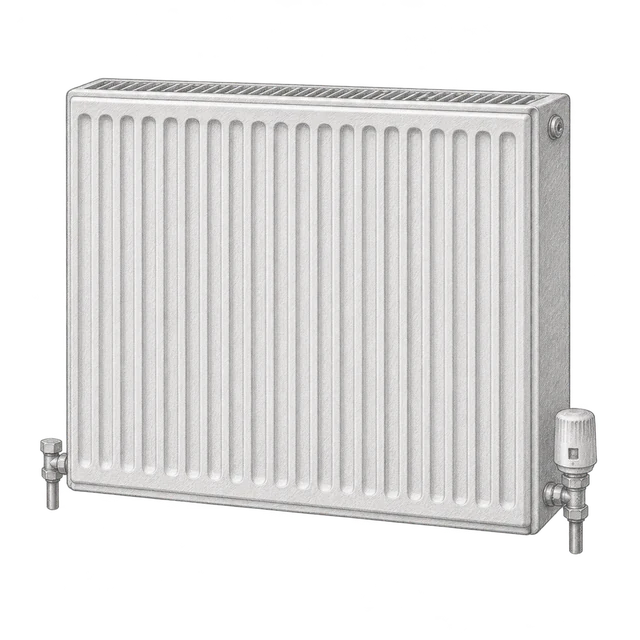 HeatingExplore your heating →
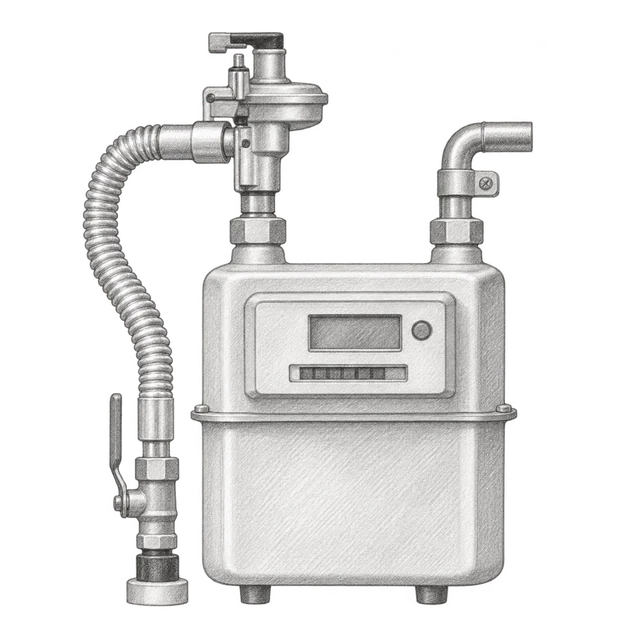 GasExplore your gas system →
Get to know your heating system, explore common problems and find information about your boiler’s fault code.
One continuous film · Jump to a chapter
WELCOME TO THE HOME OF EPHG
Follow the pencil from the incoming supply through the meter cabinet, electricity meter, tails and isolator. Understand each component, where the home’s installation begins and when to hire an electrician.
Continue exploring electricity
Welcome to the home of EPHG. Let’s follow electricity into this house, one part at a time.
The electricity service cable connects this home to the local distribution network. This house has an underground supply; other homes have overhead wires.
As the cable reaches the wall, it ends at a service head, also called a cut-out.
This enclosure houses the main fuse, before the electricity meter.
The fuse normally sits inside its sealed holder.
Inside the fuse is a metal element.
If excessive current flows long enough, this element melts. This breaks the circuit to limit damage. Unlike a trip switch, this main fuse cannot be reset.
The incoming service cable, service head and main fuse are normally maintained by your local network operator. Your energy supplier is the company that bills you.
Sealed equipment needs authorised work. Do not break the seals or remove the fuse yourself; your electrician can coordinate the correct arrangements.
Switching off your home’s main switch does not make this incoming equipment safe. Leave it closed.
If you notice damage, scorching or a burning smell at the incoming cable or service head, keep away. Do not touch the equipment or attempt a repair. Contact your network operator using the numbers shown.
On screen: network emergencies — 105 in Great Britain; NIE Networks: 03457 643 643 in Northern Ireland.
Planning a heat pump or electric vehicle charger? Ask your installer to assess the supply and coordinate any required network approval or upgrade.
After the main fuse, the electricity meter records energy taken from the network in kilowatt-hours.
One kilowatt-hour is one kilowatt used for one hour.
The reading is a running total. The increase between two readings tells you how much energy was taken from the network during that period.
On-screen example: an earlier reading of 1,234 kWh and a later reading of 1,237 kWh show 3 kWh imported from the network.
Your supplier uses those readings and your tariff to calculate the energy charge.
On-screen note: any standing charge is separate from the energy charge.
A smart meter can send readings automatically. Its indoor display is a separate device.
In Great Britain, contact your energy supplier for meter faults, reading concerns, or to arrange metering work.
In Northern Ireland, NIE Networks owns and manages the main electricity meters. Billing and tariff questions go to your supplier.
The meter cabinet and its door protect this equipment. They are normally the property owner’s responsibility, even though the sealed equipment inside has different owners.
The cables leaving the meter are called meter tails. They carry the supply towards the consumer unit, where it is divided into the home’s circuits.
On-screen note: meter tails are insulated and sheathed cables.
Some homes have a separate isolator between the meter and consumer unit. This double-pole switch disconnects both line and neutral from the installation beyond it.
On-screen note: the isolator is a switch, not automatic fault protection.
The incoming side can still be live. Solar panels or batteries can introduce other sources of electricity.
The cables leaving this isolator towards the consumer unit form part of the property owner’s installation. Without a separate isolator, the owner’s supply cables normally run directly from the meter.
Responsibility for the isolator itself and the short meter connections can vary. Your electrician and energy supplier should confirm the arrangement before work begins.
For faults, repairs or alterations to the consumer unit, its supply cables or the wiring inside your home, hire a qualified electrician. They can assess the work and coordinate any necessary supply isolation.
On-screen note: renters should contact their landlord or managing agent about the property’s installation.
Our next film will follow the supply from the consumer unit into the home’s circuits. Find the series through Explore your electricity.
This film shows one typical underground household supply. Other homes have overhead or shared supplies. The route and depth are illustrative, not a guide to locating or installing a cable.
The separate fuse illustration explains the principle. The installed service head stays closed; this is not a demonstration of opening it or removing a fuse. Responsibilities and authorisation arrangements vary locally. No fuse rating or supply capacity is assumed for your property.
The digital meter and its reading are illustrative. The cabinet is introduced in the final chapter after the individual devices have been explained. The film describes a main import meter; private submeters, export registers and multi-rate tariffs may need additional readings. In Great Britain, your supplier arranges metering work; that does not mean the supplier always owns the meter. Northern Ireland has different metering arrangements.
The final chapter shows an example with a separate double-pole isolator. Some homes do not have one. The isolator’s ownership and the short meter connections vary; confirm the actual arrangement before work. The outgoing cables towards the consumer unit, consumer unit and home circuits form the property’s installation. Renters should contact their landlord or managing agent. Equipment remains closed throughout; this is an explanation, not wiring or isolation instructions.
The 3D example retains a 140 × 220 × 65 mm meter inside a 410 × 595 × 220 mm surface cabinet, with an isolator based on a 50 × 145 × 78.5 mm enclosure. These proportions support the illustration; they are not an installation specification or proof of approval for a particular property.
One continuous plumbing film · Jump to a chapter
WELCOME TO THE HOME OF EPHG
Follow the pencil from the public main to the external stop tap, meter where fitted, supply pipe and internal stop valve. Understand who looks after each part and when to call a plumber.
Welcome to the home of EPHG. Let’s follow the water supply into this house, one part at a time.
The public water main distributes drinking water through the local network. It is maintained by the water company and often runs beneath the road.
A smaller connection, called the communication pipe, links the main to the property’s supply. The water company normally maintains this section.
Near the boundary there may be an external stop tap beneath a small cover. It allows the supply to be isolated for work. Ask your water company about problems with its valve; a shared valve may also affect neighbours.
Where a water meter is fitted, it records the volume passing through it, not the water pressure. One cubic metre is one thousand litres. Meter locations and household charging arrangements vary. Contact your water company about meter faults or readings.
The private supply pipe continues towards the house. The property owner normally maintains this pipe, usually from the property boundary. The position of the meter does not prove where responsibility changes. Shared supplies can mean shared responsibility.
Inside the home, the internal stop valve controls the incoming mains water. It is often under the kitchen sink, but its position varies. This valve and the home’s plumbing are normally the property owner’s responsibility.
Know where your internal stop valve is before a leak happens. If it is stuck or leaking, contact a plumber rather than forcing it. Stored water can remain in tanks and pipework after the incoming supply is closed.
If several neighbours lose water or pressure together, check your water company’s service updates and contact them. They can help establish whether a problem is on the network or the private supply.
For a leaking private supply pipe, a faulty internal valve, or repairs to your home’s plumbing, use a qualified plumber experienced in that work. If you rent, contact your landlord or managing agent.
The next film will follow the water beyond the stop valve to the fixtures and systems inside the home. Find the series through Explore your water.
This film illustrates one house on a public water supply. The cutaway reveals equipment for explanation; pipe routes, burial depths and component positions are not installation instructions. The external stop tap and meter, where fitted, sit below a cover in this example. The internal stop valve is shown inside a cupboard within the house.
Ownership and maintenance arrangements vary. The property boundary is shown separately from the meter; meter position alone does not identify the responsibility boundary. Shared supply pipes can involve joint responsibilities. Private water supplies, flats, common areas and unusual connections need their own arrangements confirmed. Contact the water company and an appropriately experienced plumber if unsure.
A meter measures volume, not pressure. Meter location and household charging differ across the UK. The example does not assume that every property has a meter or separate external stop tap. The film explains the components without showing excavation, disassembly or valve operation.
The coloured-pencil passes show example materials: blue plastic supply pipe and copper pipework indoors. Materials vary between properties. Colour does not establish ownership or identify a service on its own; copper is also used for heating and gas. The public main is left in graphite because its material is not specified.
One continuous gas supply film · Jump to a chapter
WELCOME TO THE HOME OF EPHG
Follow the pencil from the gas main through the service pipe, meter box, emergency control valve, regulator and meter. Understand responsibilities and when to contact the network, supplier or a Gas Safe registered engineer.
Continue exploring your gas system
Welcome to the home of EPHG. This house uses mains natural gas. Let’s follow its journey from the street to the pipework serving the home.
The gas main distributes gas through the local network. The network operator maintains these pipes. This is a different role from the energy supplier that sells you gas and sends your bills.
A smaller service pipe connects the main to the property. In this example, a yellow plastic pipe runs below ground and meets a protected metal riser. Pipe materials, routes and depths vary between properties.
The external meter box protects the equipment and provides access to it. The box itself is normally the property owner’s responsibility, even though the gas equipment inside is looked after separately.
The emergency control valve allows the incoming gas supply to be shut off. Know where yours is before an emergency. In the usual Great Britain arrangement, the network operator maintains the service pipe up to and including this valve.
The regulator controls the pressure of gas passing through the meter. It helps keep that pressure within the range the installation needs. Its settings are sealed; adjustment and repair belong with authorised specialists.
The gas meter records the volume passing through it. This metric example reads in cubic metres; older meters may use cubic feet. Your bill converts the reading into kilowatt hours, which measure energy.
In Great Britain, your supplier normally arranges care of the meter and its associated equipment. In Northern Ireland, the network may look after the meter too. For reading or billing questions, start with your supplier.
From the meter outlet, the pipework feeding the home’s appliances is normally the property owner’s responsibility. Here it is shown in copper, but materials vary. Owning that pipework does not make it suitable for do-it-yourself gas work.
For repairs or alterations to the home’s gas pipework and appliances, use a Gas Safe registered engineer qualified for that work. Check their registration and the categories on their identification card. If you rent, contact your landlord or managing agent.
If you smell gas, avoid flames and electrical switches. Leave the building and call from outside. In Great Britain, call 0800 111 999. In Northern Ireland, call 0800 002 001. Follow the emergency service’s advice.
The next film will follow the pipework beyond the meter towards the appliances it serves. Find the series through Explore your gas system.
This example follows a mains natural gas supply, not LPG. It continues the same 3D house, retaining its electricity and water installations. Routes, depths, component sizes and positions illustrate the explanation; they are not installation instructions.
In the usual Great Britain arrangement, network responsibility includes the service pipe and emergency control valve. Your supplier normally arranges care of the metering equipment. That does not mean the supplier necessarily owns every component. In Northern Ireland, the network may look after the meter too. Confirm unusual or shared arrangements with the relevant network and supplier.
The meter box and pipework after the meter are normally the property owner’s responsibility. For work on the home’s gas pipework and appliances, use a Gas Safe registered engineer qualified for the fuel, appliance and work concerned. The film shows the exterior of the components; it does not demonstrate operating the valve, unsealing equipment, adjusting pressure or carrying out repairs.
The coloured-pencil passes represent example materials: yellow polyethylene below ground, a protected riser above ground, and copper installation pipework. Materials vary. Colour alone does not establish ownership or reliably identify a pipe’s contents.
If you smell gas, avoid flames and electrical switches, leave the building and call from outside. Great Britain: 0800 111 999. Northern Ireland: 0800 002 001. Follow the emergency service’s advice.
A QUESTION IN MIND?
Search EPHG’s explanations, fault codes and learning resources.
Search by a problem, component or topic.
Browse all articles Visit the learning library
Try a shorter phrase, a component name or another service filter. You can also browse all articles.
Prefer to speak to someone? Call EPHG on 07720 247247
WHEN YOU NEED A HAND
Electrical faults, a leak, no heating or a boiler breakdown?
Choose the help you need.
Power problems, tripping circuits and electrical faults.
Find an emergency electricianLeaks, burst pipes and problems with your water supply.
Find an emergency plumberCold radiators, loss of hot water and heating breakdowns.
Find a heating engineerGas boiler repairs and help with gas appliance problems.
Find a gas engineerWe arrange emergency call-outs. Our guides help you understand your options.
How our service works & termsKNOW WHAT TO EXPECT
From explaining the problem
to arranging the right engineer.
Describe the problem and give us your location and contact details, so we can identify the service you need.
We explain the call-out fee and labour rates. EPHG’s call-out fee is separate from the contractor’s labour charge, with a minimum of one hour’s labour on arrival.
After payment, we send your receipt and terms by text or email. Reply to confirm, then we arrange the engineer within the arrival window agreed for your booking.
SOMETHING TO COME BACK TO
There’s always more to understand about the systems around us. EPHG brings together practical explanations, local utility information and learning for people in the trade.
Visit the learning libraryFind plain-language guides to the supply, controls and appliances in your home.
Browse articles Frequently asked questionsExplore technical learning, heating controls and diagrams for professional development.
Explore engineer resources Heating controls & wiring plans Combi boiler learning Work with EPHGKNOW YOUR LOCAL CONNECTIONS
Find existing EPHG utility information for your postcode area, town or city.
Choose an area to open its utility guide.
No matching area found. Try the first part of your postcode or browse our areas page.
THE PEOPLE BEHIND THE HELP
Our story began as Martin Smith Plumbing in 2008 and grew into EPHG Limited in 2015. Today, we help people across the UK find emergency electrical, plumbing, heating and gas support, while making useful information easier to find.
WHEN INFORMATION ISN’T ENOUGH
Tell us what’s happening. We’ll help you find the right engineer.